

The Power of Reframing Your Thoughts and Perspective: Cognitive Behavioral Therapy
I think this quote beautifully speaks to the power of this approach, “One should become the master of one's mind rather than let one's mind master him” — Nichiren Daishonin, a Japanese Buddhist prophet.
In my experience and professional opinion, when CBT is applied in therapy, it’s best coupled with other modalities that help you as the client find an authentic path towards reframing and shifting your perspective that can acknowledge the nuance of thinking more positively and affirmatively. Our thinking can trick us into an apocalyptic sense of reality or a heavenly sense of reality. However, there are many shades of grey, many ways of thinking in between, that can be explored and utilized as you pursue a mindset and mental space that works for you.

The Mind-Body Connection: Personalized Self-Care
As a trained yoga teacher, I have an appreciation for the mind-body connection. It’s an important aspect of healing work because it promotes a more holistic and sustainable approach to positive change. When we try to create change only on one level, we can find ourselves easily frustrated and slow to see progress. One of the main criticisms of traditional talk therapy is that it fails to consider the role that the body plays in common mental health disorders like anxiety and depression. What I want to convey is the importance of generating self-awareness and healing of these two vital parts, mind and body, that influence our mental and emotional well-being.

Unhelpful Messages Around Healing: Moving Toward True Wholeness
I want to share three insights on unhelpful messages around healing, to guide you to greater integration and wholeness. True healing means becoming whole by embracing both strengths and shadows, learning to fully accept yourself as you are right now—not some “perfected” version far in the future. True healing doesn’t mean avoiding accountability but rather developing the self-awareness to embrace all parts of yourself, even those you may struggle to love. It’s about honoring your full self, and understanding that healing encompasses all the ups and downs that make you human.
True healing requires the capacity to understand what is a paradox - a frame of reference for when things are uncertain or may not be what they seem. I’m a big fan of what I call “holding space for the paradox” which means being able to see the inextricable link and relatedness between what seems like two opposing forces. Paradox is a perspective we can use to straddle the tension of two conflicting elements and see that both can be true. For example, consider light and dark. They appear as polar opposites yet are strongly linked because you cannot have one without the other.

Internal Family Systems Therapy: Becoming Your Own Best Friend
This approach sets the stage for “parts work” in my sessions to promote a greater sense of internal wholeness and balance. I have an affinity and appreciation for this work as it can enhance self-leadership through building more awareness of your different parts and their associated roles, integration of all your parts in a balanced fashion, and releasing heavy emotional burdens carried by the wounded parts of yourself. These different parts, some wounded and some wiser, are thought to interact within a person's internal system similarly to how members of a family interact. Think of your internal environment as a home to a family of many you’s who each serve a purpose and play a role in your ability to respond to life’s challenges and stressors.

Client-Centered Therapy: The Importance of Respecting Client Autonomy
Client-centered therapy, developed by Carl Rogers, emphasizes the inherent ability of individuals to direct their own lives toward growth and self-fulfillment. This therapeutic approach is rooted in the belief that people possess the inner resources necessary for personal development, and it prioritizes autonomy and agency in the therapeutic process.
The therapist creates a non-directive, supportive environment, characterized by three core conditions: unconditional positive regard, empathy, and congruence. By fostering a space where clients feel accepted, understood, and genuinely engaged with the therapist empowers them to explore their thoughts and feelings freely. This autonomy allows clients to make choices and take responsibility for their own lives, trusting in their own potential to solve problems and achieve personal growth.
Insight Therapy: Generating Insight in Sessions
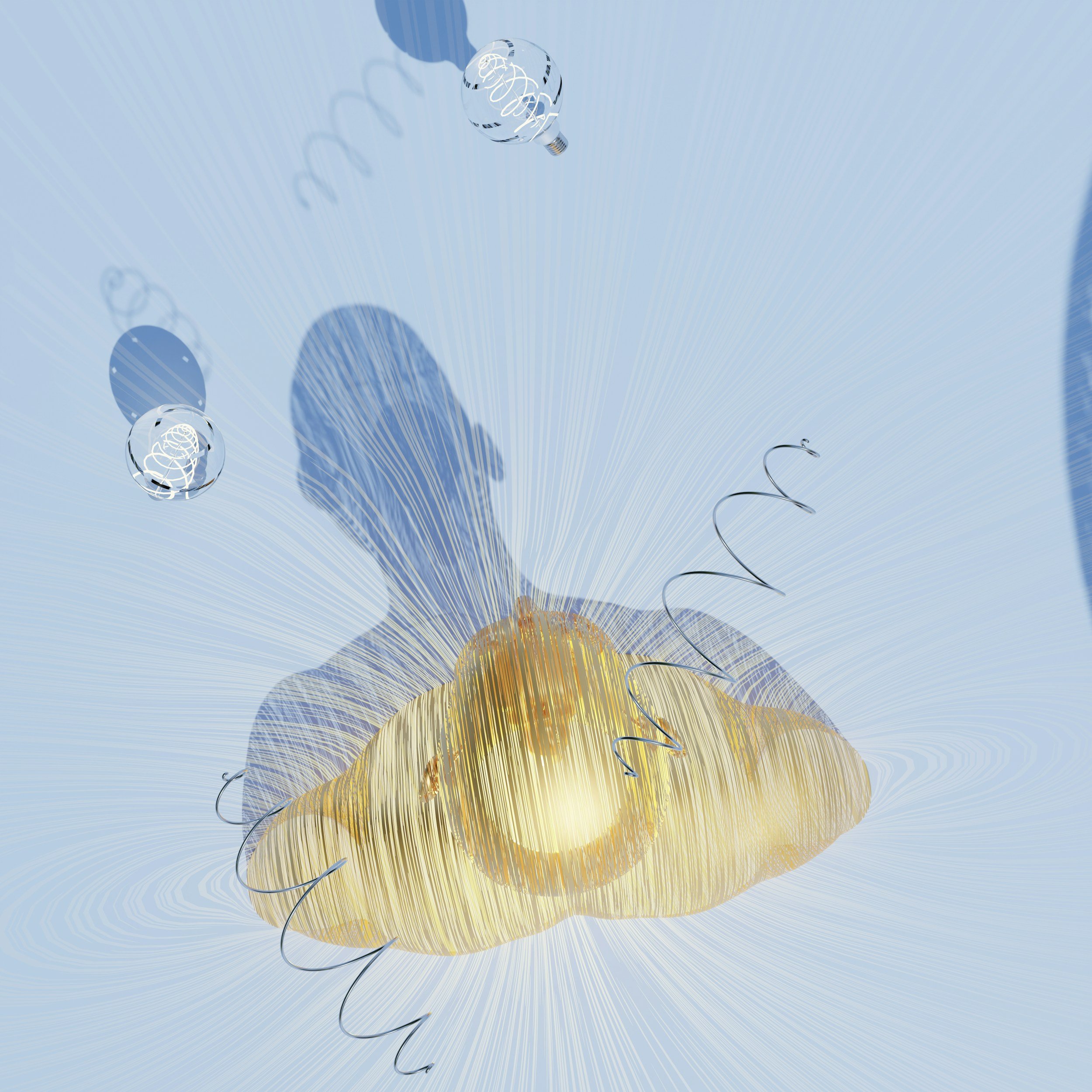
At times, we may not even know what we may be chasing or how to know if we’ve gotten there. These are all reasonable and powerful questions that are normal to have big question marks surrounding their answers and associated parameters. That’s why working with a coach and/or therapist (depending on your present moment needs) is so valuable as it helps to clarify and re-establish important definitions and levels of understanding of the feelings you want more of through co-creating tangible benchmarks and aligned, working definitions. These are all a function of insight and further stress the significance of this process in the context of both coaching and therapy.
Shifting Your Nervous System with Music: Creating Your Desired State
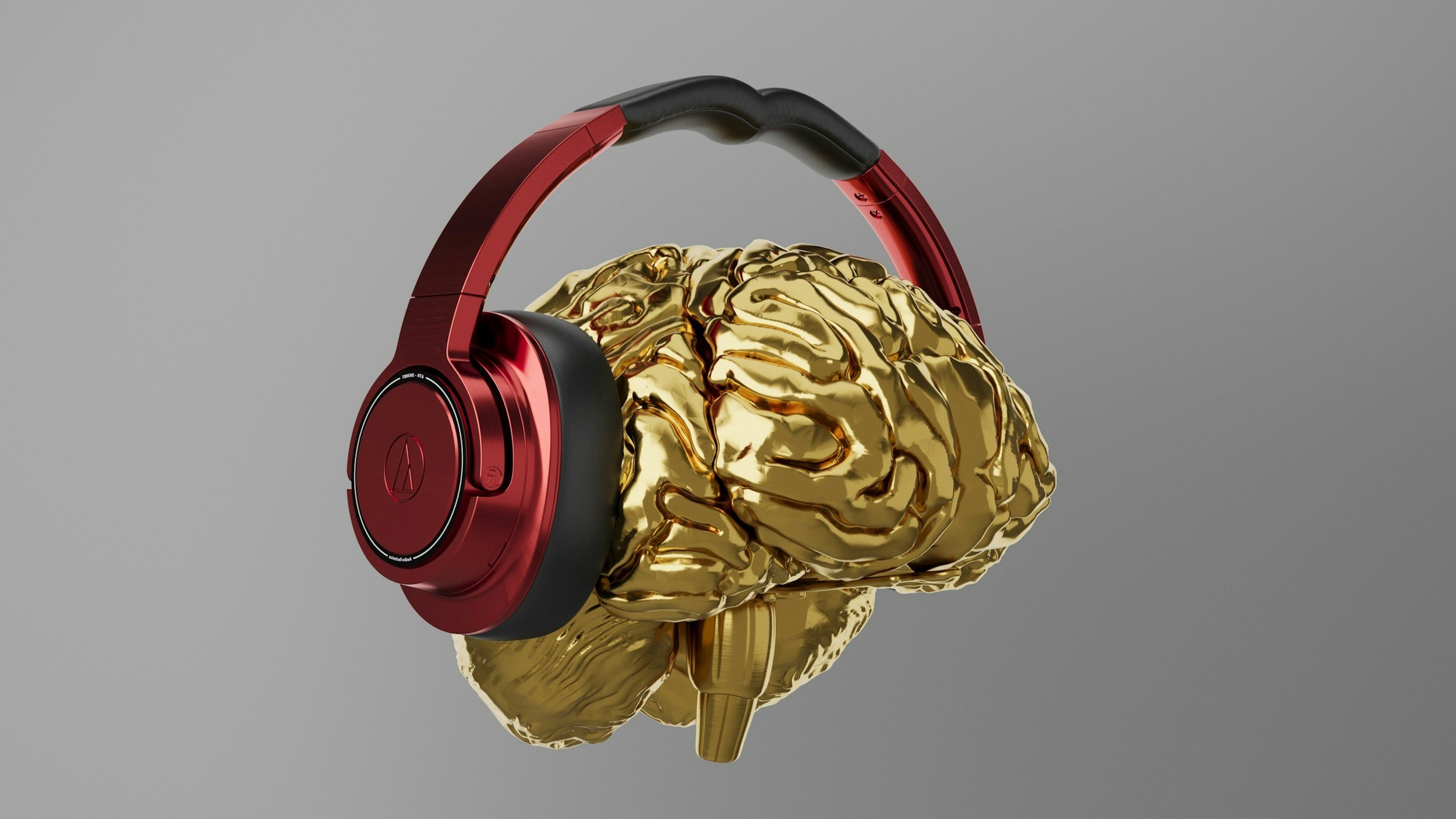
State is comprised of your physiology, language, and focus. Often, this is captured by where your energy goes focus or attention flows. This highlights the importance of your belief structures that produce different thoughts and emotional experiences. This is formulated by your word choice and where you choose to place your attention on a situation. Your attention can produce a unique perspective and frame to the matter at hand. The other key piece of this triad is what your body communicates through its physiology. This includes the energy behind the words you communicate internally to yourself and externally to others...
A main avenue I work with clients around incorporating the scientific underpinnings related to music and sound healing speaks its impact on the nervous system. Healing frequencies and soothing sounds can make such an impression on our body’s insides and it’s an effective method to helping ourselves create new pathways and foster new responses to life.
Contact Arielle
Email:
info@celestial-tides.com
Phone:
+1 (301) 807-2677
Location: Telehealth Services from Rockville, Maryland.