
Nighttime Anxiety: Why Your Mind Won’t Switch Off (and How Therapy Helps)
By Arielle Hartz, Holistic Therapist & Coach – Serving Maryland via TelehealthFor many adults, the day can feel manageable. Responsibilities are met, conversations happen, and tasks are completed. Yet when evening arrives, and external stimulation quiets, internal restlessness may begin to surface. Thoughts that were pushed aside during the day can become louder at night.
Why Anxiety Feels Stronger at Night
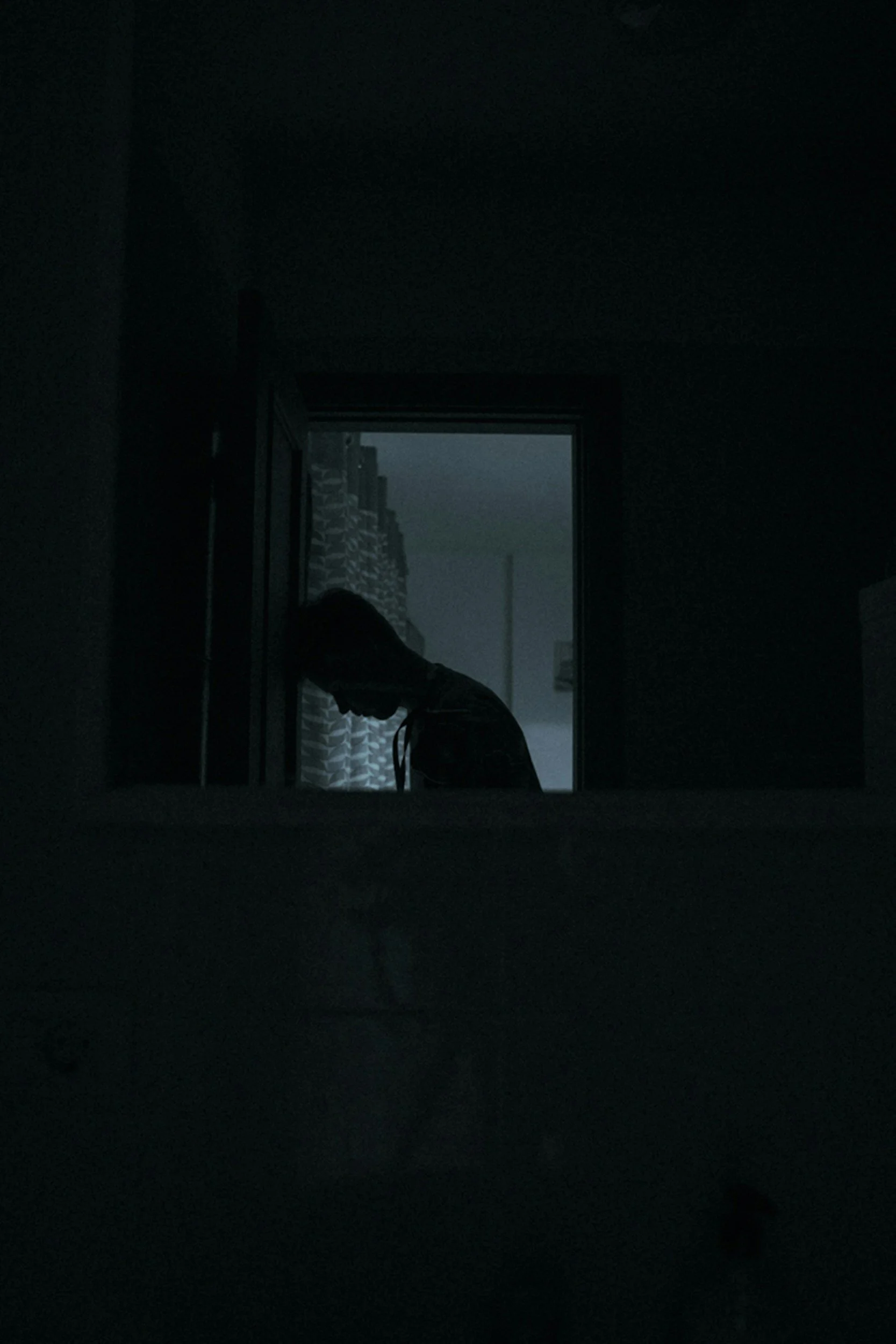
As the nervous system transitions toward rest, unprocessed thoughts and emotions often emerge. Individuals may replay conversations, anticipate future stressors, or question life direction. Nighttime anxiety reflects both physiological activation and deeper emotional processing.
Common Nighttime Anxiety Symptoms
• Racing or looping thoughts
• Muscle tension in the chest, shoulders, or jaw
• Shallow or irregular breathing
• Difficulty falling or staying asleep
• Sudden alertness just as sleep begins
Over time, disrupted sleep can contribute to fatigue, irritability, and reduced emotional
resilience.
Existential Reflections in Quiet Moments
Evening stillness can bring deeper reflections about purpose, identity, or life direction. Therapy can provide a grounded space to explore these themes during waking hours so that the mind does not need to process them alone at night.
Somatic Therapy and Sleep Support
Holistic therapy approaches may include breath regulation, body awareness practices, emotional processing, and nervous system wind-down routines. As regulation improves, sleep often becomes more restorative. Telehealth Therapy Benefits. Online therapy allows individuals throughout Maryland to practice regulation tools in their own environment, maintain consistency, and integrate insights into daily routines.
A Gentle Invitation
If anxiety is interfering with your ability to rest, therapy can offer compassionate support. Developing a more regulated relationship with your mind and body can lead to calmer evenings and more energized days.